Throughout his training and practice, Dr. Umoren has held a sustained commitment to global health and the question of how advanced procedural medicine can reach patients beyond the well-resourced hospitals where it was developed. Therapeutic endoscopy — ERCP, EUS, complex polypectomy — remains concentrated in a small number of academic centers worldwide, even as the diseases it treats are universal.
That gap is the work. Building local capacity through hands-on teaching, partnering with clinicians who will go on to train the next generation, and contributing to programs that bring both expertise and equipment to the bedside.
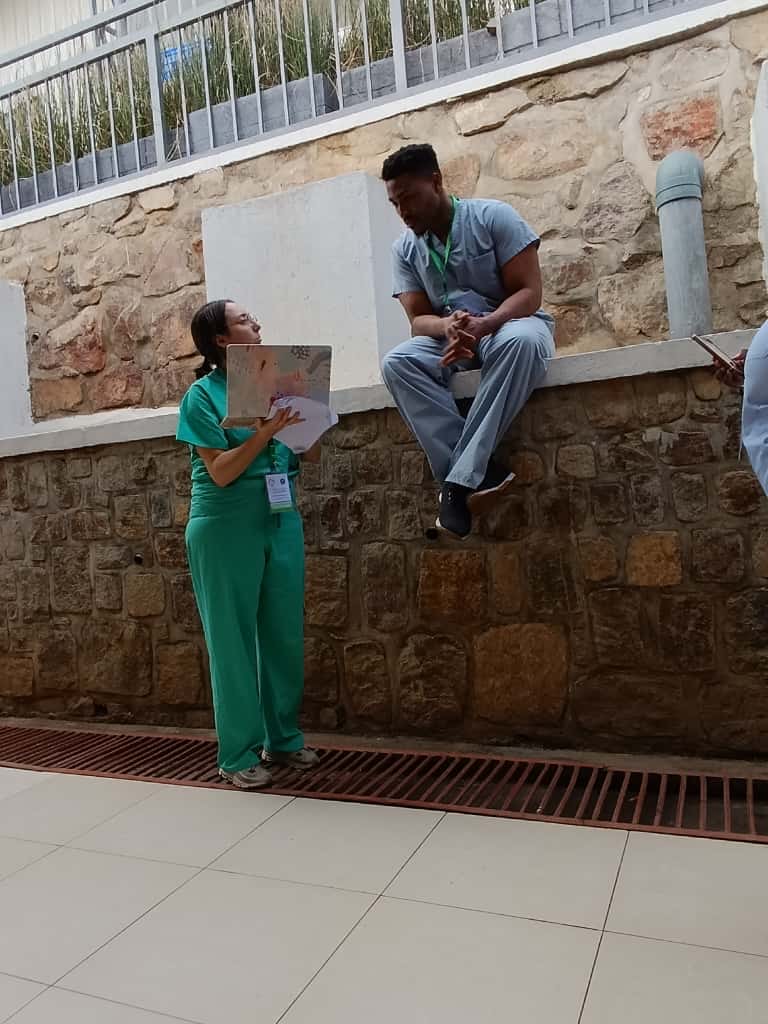
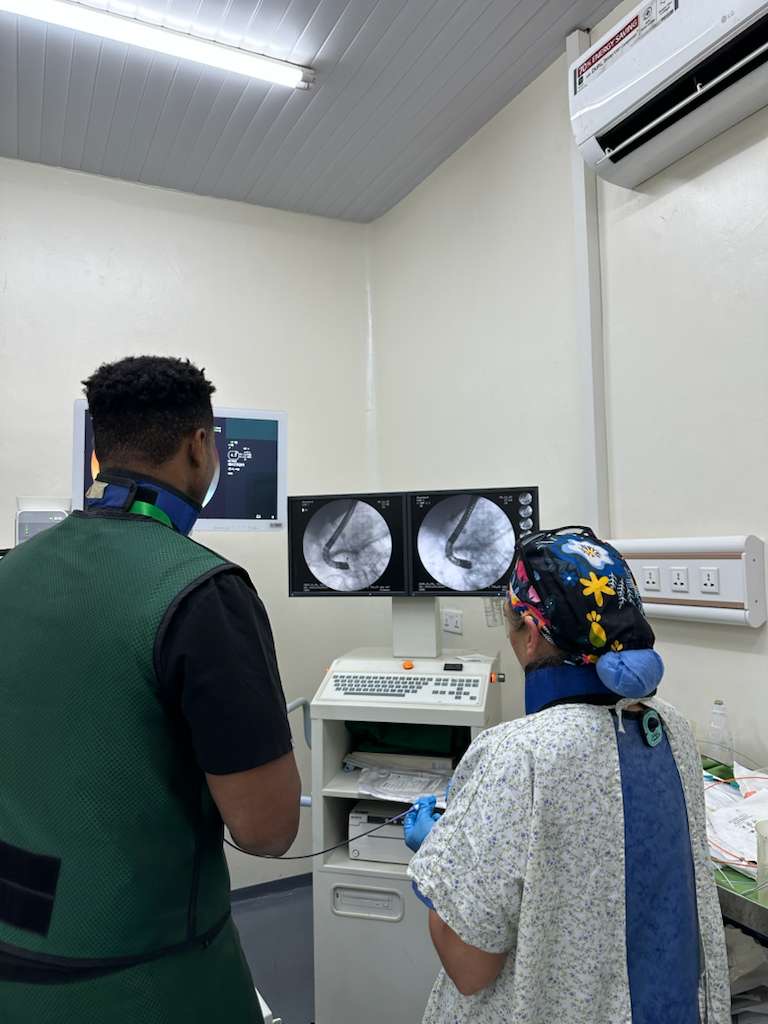
Rwanda Endoscopy Week is one expression of this work. Held annually across multiple sites throughout Rwanda, the multi-day program brings together visiting faculty and Rwandan gastroenterologists for intensive procedural teaching, case-based instruction, and shared call coverage on advanced cases. Dr. Umoren has served on the visiting faculty, contributing instruction in therapeutic ERCP and complex luminal interventions.
Beyond the procedure room, the work extends to mentoring medical students conducting clinical research in Rwanda — guiding study design, reviewing data, and helping young investigators frame questions that matter to the populations they will go on to serve. Building clinicians is one form of capacity-building; building clinician-researchers is another, and Dr. Umoren is committed to both.
The week is designed not as a one-off mission, but as part of a longitudinal capacity-building effort — local fellows return year after year, expanding the program's reach and ensuring that advanced techniques become embedded in the country's clinical infrastructure rather than dependent on external visits.
For Dr. Umoren, this work is inseparable from his domestic practice. The same care, attentiveness, and technical standards apply whether the procedure is in Glen Burnie or Rwanda. Patients are patients.